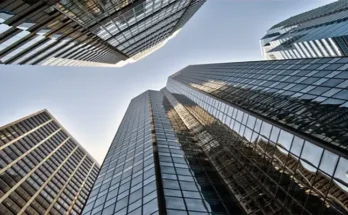
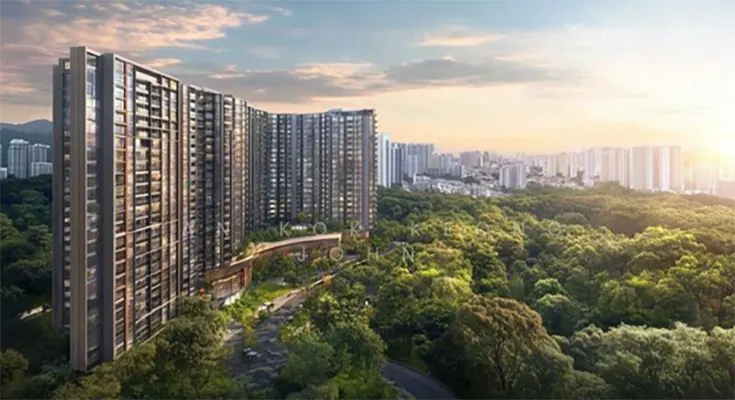
The current environment of urban development is an indication of a greater comprehension of the way individuals engage with their environment. Beautifully formulated residential spaces cease to be effective in offering shelter; they are intended to enhance everyday life by being functional, comfortable and a part of the community. The case of Tengah Garden Residences and Promenade Peak development explains the involvement of new approaches in the modern planning strategies in ensuring a balanced lifestyle in the city. Through the theme of connectivity, sustainability, and human-centric design, these projects demonstrate how urban settings can be developed to address the needs of the modern-day population without losing their sustainability over time.
The Integrated Urban Design role
The type of planning that occurs begins with the integration of residential areas into the wider urban environment. Good developments will be made considering the accessibility to transport, proximity to various services needed and accessibility to work, recreation and home. This trend can be seen through Tengah Garden Residences, which corresponds to the location of living space with the infrastructure and green corridors. On the same note, Promenade Peak shows how the concept of connectivity is planned to ensure comfort without affecting residential privacy. These values contribute to the residents being able to enjoy an easier everyday life and minimise their use of long commutes, which makes the city lifestyle more effective.
Focusing on Green and Open Spaces
Green areas are an indispensable part of improving mental and physical health in large urban areas. The contemporary residential town planning also includes landscaped facilities, walking tracks and open communal facilities to balance the urban density. The Tengah Garden Residences feature the concept of integrating greenery into residential planning and provide the residents with a more relaxed experience. Equally, Promenade Peak implies the increasing focus on open spaces and their accessibility, which promotes various forms of relaxation and socialisation. These are design options that promote healthy lifestyles and are also environmentally sustainable within the city boundaries.
Community-Based Living Conditions
Effective urban developments, in addition to the physical planning, are concerned with regard to social interaction and community building. Shared areas, thoughtful designs, and friendly floor plans shall promote more bonding activities by the residents. Tengah Garden Residences focuses on this concept by ensuring that it has spaces that facilitate socialisation without being overcrowded. Promenade Peak is no exception, as this philosophy is found in the common facilities, which assist in interaction and yet acknowledge the comfort of an individual. These environments will make residents feel more integrated, and housing developments change to lively neighbourhoods instead of solitary living spaces.
Balancing Architecture and Functional Design.
The contemporary urban home is one that has to combine beauty with functionality. Careful design is maintained so that architectural elements have a higher purpose than just aesthetic effect. Tengah Garden Residences has shown how layouts can maximise the use of natural light, ventilation and space. Similarly, Promenade Peak is a mirror of the thoughtful approach to the form and functionality that provides residential spaces that meet the evolving requirements of the lifestyle. It is a balance that makes everyday life comfortable and provides long-term functionality, and developing considering the needs of the future city is more sustainable under changing conditions.
Lifestyle Convenience and Accessibility.
Accessibility has been one of the pillars of successful urban planning. The proximity to transport, shopping, and other recreational services marks the residential value significantly. The Tengah Garden Residences is advantageous because it is located strategically to facilitate the provision of necessities. Promenade Peak, as well, represents the planning choices that would not overwhelm the residents with the rush of life, but would mean more towards lifestyle convenience. Such aspects eliminate stress on a daily basis, save time, and add to an easier living process, which supports the role of location-based design in urban settings.
Conclusion
Well-planned residential developments have more than immediate comfort in terms of impact. Sustainable design, flexible spaces, and a long-lasting community appeal produce the creation of long-term value. Tengah Garden Residences is the manifestation of how progressive planning can contribute to the development of the future, preserving the ability to live. Promenade Peak also exemplifies the role of strategic design in making a city relevant over a long period. All these examples collectively emphasise how careful planning can improve the experience of living in the city as the current requirements are met with the future targets, setting a bridge between the city and its prospective purposes and use, making the urban areas not only usable but also satisfying in the long term.