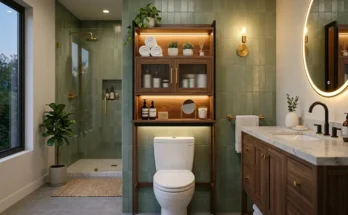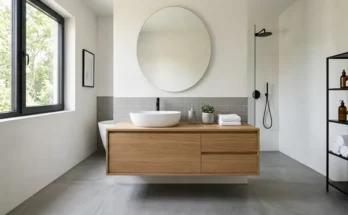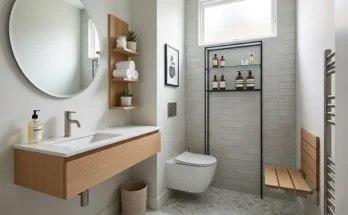
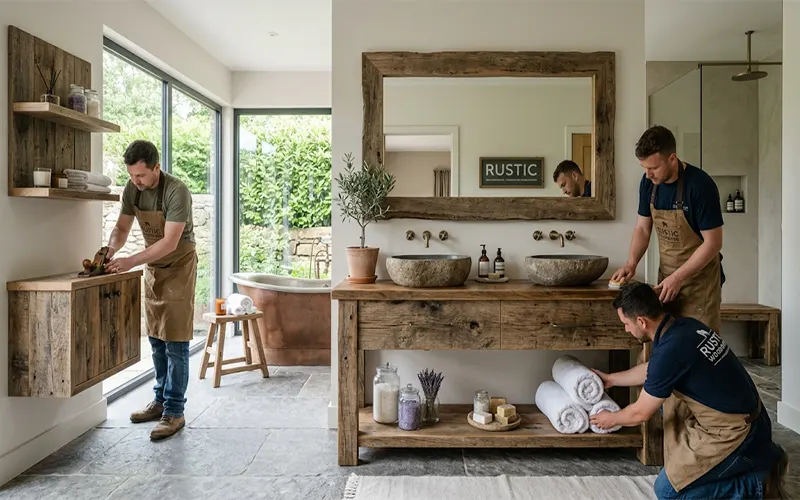
In the modern home, the bathroom has evolved from a purely functional utility room into a sanctuary—a private “spa” where the stresses of a digital world are washed away. While stone and tile provide a necessary foundation of cleanliness, they can often feel cold and clinical. To transform these spaces into true retreats, interior architects are increasingly turning to reclaimed wood.
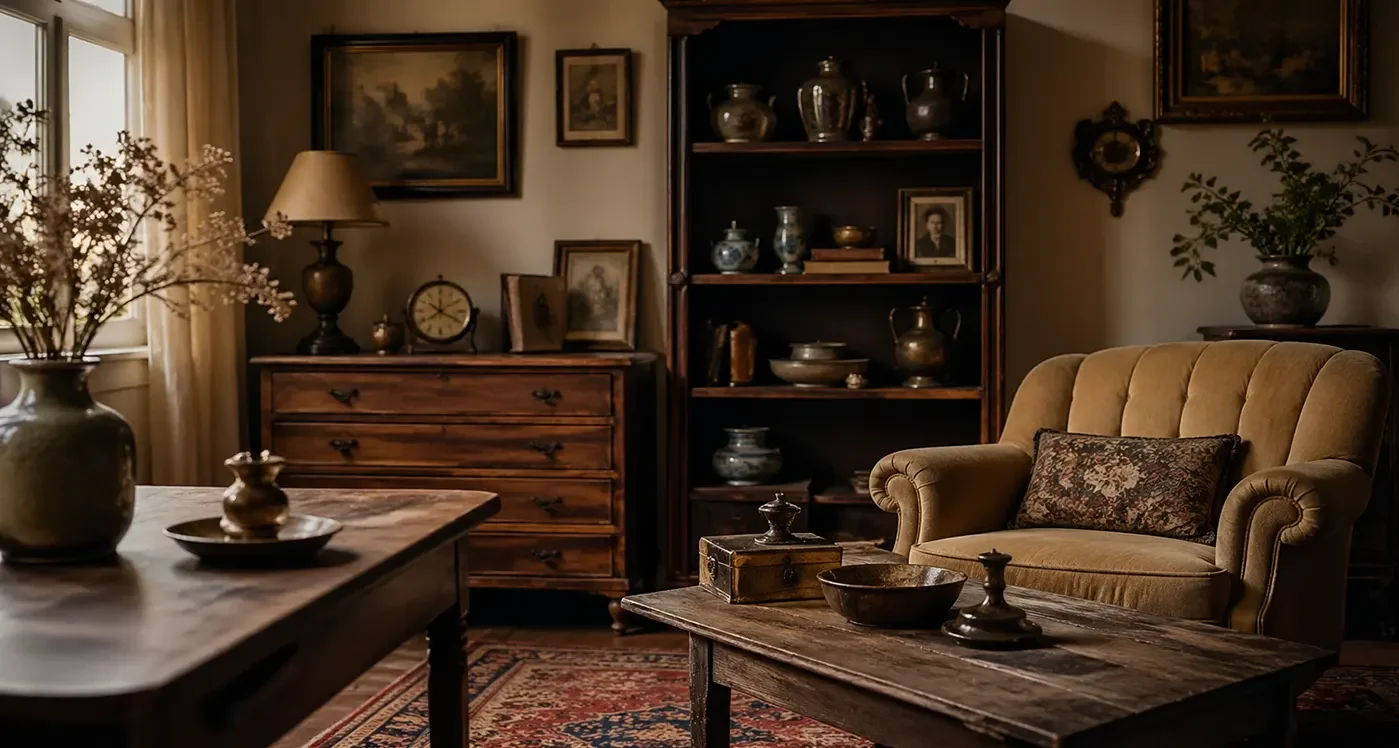
Salvaged timber carries a soul that new-growth wood cannot replicate. Whether it is the silvered patina of an old barn door or the honey-hued grain of an ancient ceiling joist, reclaimed wood introduces “thermal comfort” into a room. It softens the hard edges of porcelain and glass, grounding the space in organic history. In the philosophy of Wabi-sabi, we find beauty in the weathered, the knotted, and the imperfect, making reclaimed wood the perfect medium for a restorative, zen-like environment.
The “Hero” Piece: Reclaimed Wood Vanities
The vanity is the anchor of the bathroom, and a reclaimed wood unit acts as a monumental piece of functional art.
The Juxtaposition of Textures
The most successful spa-like designs rely on contrast. Imagine a vanity base constructed from thick-timber salvaged oak, featuring visible saw marks and hand-forged nail holes from its previous life in a 19th-century warehouse. When topped with a seamless, cool-to-the-touch white quartz or a honed basalt vessel sink, the visual tension creates a sophisticated, high-end feel.
The Live-Edge Slab
For a more primal, biophilic approach, a “Live-Edge” reclaimed slab serves as a stunning countertop. By preserving the natural contour of the tree—knots and all—you invite a sense of the forest into the room. These slabs, often salvaged from fallen urban trees or old river logs, create a unique silhouette that defies the rigid, boxy nature of traditional cabinetry.
Statement Storage: Open Shelving and Linen Towers
In a spa-like retreat, storage should be part of the decor, not hidden behind a closed door. Open shelving made from reclaimed wood encourages a “Zen Display”—a curated arrangement that promotes calm.
- Floating Joist Shelves: Deep, 4-inch-thick shelves cut from old floor joists provide a sense of permanence. Use these to display a minimalist array of rolled white cotton towels, glass jars filled with Himalayan sea salts, and a single trailing plant like a Pothos to add a splash of life.
- The Linen Tower: A tall, slender cabinet made from reclaimed pine planks can act as a “texture pillar” in the corner of the room. By using wire-mesh or glass inserts in the doors, you maintain a sense of openness while showcasing the rich, variegated tones of the timber.
The Spa Add-ons: Small Furniture, Big Impact
It is often the smallest furniture pieces that complete the “retreat” experience. These items are portable, allowing the space to breathe and change.
- The Bath Caddy: A simple, hand-finished plank of reclaimed cedar or teak stretched across a soaking tub is the ultimate luxury. It provides a tactile surface for a book, a beeswax candle, and a glass of tea.
- The Teak Stool: Teak is naturally moisture-resistant, making it the king of the spa bathroom. A salvaged teak stool, with its silver-gray weathered finish, provides a seat within a walk-in “rain shower” or a resting place for a loofah and organic soaps.
- The Ladder Rack: A hand-hewn ladder made from reclaimed branches or narrow slats offers a rustic alternative to the chrome towel bar. It utilizes vertical space and allows towels to air-dry in a way that feels intentional and relaxed.
Material Synergy: Pairing Wood with Stone and Metal
Reclaimed wood performs best when it has “friends” in the room to highlight its character.
- Matte Black Hardware: The stark, modern lines of matte black faucets and handles provide a contemporary frame for the ruggedness of the wood.
- Hammered Copper: For a warmer, more Mediterranean spa feel, pair reclaimed wood with a hammered copper sink. The orange-brown tones of the metal pull out the deep “amber” notes in woods like heart pine.
- Slate and Pebble: Reclaimed wood vanities look exceptional against the dark, matte finish of slate flooring or the rounded, tactile surface of river pebble tiles in a shower pan.
Wood Species Selection Guide
| Species | Best Use | Key Benefit | Tone |
| Teak | Showers / Benches | High oil content; rot-resistant. | Golden to Silver-Gray |
| Cedar | Shelving / Caddies | Natural aroma; insect-resistant. | Reddish-Pink |
| Oak | Vanities / Framing | Extremely durable; deep grain. | Honey to Deep Brown |
| Pine | Wall Accents | Soft, easy to work; light weight. | Pale Straw to Orange |
Practicality & Preservation: Protecting Wood in Wet Zones
One of the primary concerns with wood in a bathroom is moisture. However, with modern sealing techniques, reclaimed wood can last for decades.
- Marine-Grade Oils: For a “raw” and “natural” feel, use Tung oil or Danish oil. These soak into the fibers and harden, providing water resistance while allowing you to still feel the texture of the grain.
- Matte Polyurethane: If the wood will be in a high-splash zone (like a sink top), a high-quality matte polyurethane provides a waterproof plastic barrier without the “plastic-like” shiny look of traditional gloss finishes.
- Ventilation: The key to any wood-rich bathroom is airflow. Ensure a high-CFM exhaust fan is installed to pull humidity out of the room quickly after a hot shower.
Sourcing with a Conscience
Choosing reclaimed wood is a powerful environmental statement. By utilizing salvaged materials—from old Indonesian teak houses to Midwestern American barns—you are reducing the demand for new-growth timber and preventing valuable carbon-sequestering wood from ending up in a landfill. This “Environmental ROI” adds an extra layer of peace to your retreat, knowing your sanctuary was built without harming the living forests.
A Sanctuary Rooted in Nature
A spa-like retreat is more than a design trend; it is a necessity for modern well-being. By integrating reclaimed wood furniture, you move away from the frantic pace of the outside world and toward a space that feels grounded, ancient, and deeply personal.
Wood is a living material that tells a story. When you reach out to touch a vanity made from a century-old barn beam, you aren’t just touching a piece of furniture; you are touching history. In the stillness of your bathroom, surrounded by the warmth of timber and the scent of cedar, you find a sanctuary that is not only beautiful but also rooted in the natural world.