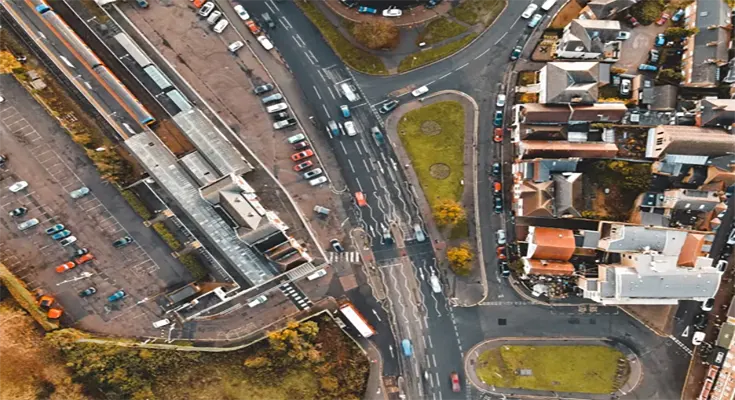
A commute is a tax paid in minutes. Nobody sends a bill, yet everyone pays it, twice a day. A buyer studying Solano Grand should measure that tax before choosing a unit. Fifteen minutes extra each way sounds small, but it adds up to more than a full workweek each year.
This article looks at commuting in plain terms. We cover trains, buses, driving, ride services, walking and cycling, and how to test a route properly. Nothing technical. Bring a notebook and a timer. Real trips beat map estimates, because maps never feel the queue at the junction.
Train Travel and Station Links
Trains are steady, and that is their charm. Find the nearest station and walk the real path with a timer running. A buyer weighing Wynwood Grand should note covered walkways, crossings, and any steep bits. A ten minute walk in rain feels longer than ten minutes.
Count the stops to your usual destinations and check where transfers happen. One easy change is fine. Two awkward ones get tiring fast. Then ride at rush hour, once, just to see the crowd. Packed carriages may not bother some people, but they bother many.
Bus Services and Feeder Routes
Buses fill the gaps trains leave behind. Find the nearest stops and list the routes that pass them. Check how often they run, including evenings and weekends. A route that looks great on paper may turn up rarely in real life, so ride it yourself.
Feeder buses connect quiet corners to main stations. Parents with young children and older relatives often rely on this more than anyone else, so test it with them in mind.
Driving Times at Peak Hours
A drive that takes twenty minutes on Sunday may take forty on Monday. Test the route at eight in the morning and again around six in the evening. Do it on more than one day, and write down each time. Memory tends to forget the bad ones.
Look for the spots where queues build up, such as school zones or busy junctions. Also check road tolls and parking costs at your destination, since they add to the real price of a drive.
Taxis, Ride Hailing, and Sharing
Not everyone owns a car, and many households do fine without one. Check how quickly ride services arrive at the site, both in the day and late at night. Long waits at odd hours can be a real problem.
Look at the pickup point too. A drop off zone that blocks the lobby or sits far from the lift can annoy everyone. Compare typical fares to your usual destinations. If rides become a habit, the monthly total may rival a car loan, so do the sum before deciding.
Walking and Cycling Connections
Short trips often go best on foot or by bike. Check the pavements near the estate. Are they shaded, lit, and safe? Look for cycling paths that link to stations, shops, or schools, not just loops around a park.
A neighborhood that lets you skip the car for small errands saves money and keeps you active. It also appeals to future buyers, which can support resale. Walk the route in the evening as well, since a path that feels fine at noon may feel different after dark.
Testing and Comparing Your Routes
Make the test fair. Pick your real destinations, such as work, school, and a relative’s home. Travel there at your usual hours using your usual method. Record door to door time, not just the ride.
Put the results in a small table, one row per project. After a few rows, patterns appear. Check official plans for approved transport upgrades too, but do not count on a future line until it is confirmed. Speak with a licensed adviser if the choice feels close.
Conclusion
Commute time shapes daily life more than most buyers expect. A map helps, but your own trips help more. Beyond minutes and miles, pay attention to how a difficult drive leaves you feeling at the end of the day. Constant congestion, aggressive traffic, or multiple transfers on public transit consume vital mental energy before your workday even starts. Choosing a location with a low-stress travel window protect your personal time giving you more energy to focus on family, hobbies and relaxation.
Write your finding on one page and compare each location fairly. Wait a few days before deciding. If the daily trip still feels easy move ahead with a calm mind.