
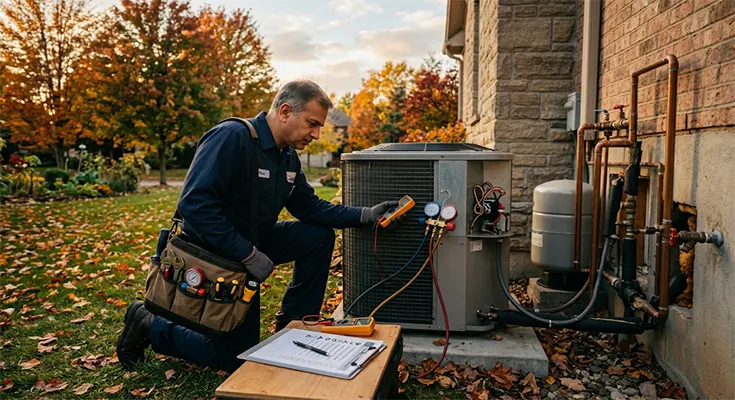
Seasonal home maintenance is easier when you treat your HVAC and plumbing systems as part of the same routine. Both systems work hard throughout the year, and small problems can become disruptive repairs when they are overlooked. A practical checklist helps you spot warning signs early and prepare your home before temperatures and system demand change.
Whether you handle basic checks yourself or bring in Naples HVAC and plumbing experts for professional service, seasonal maintenance can help keep heating, cooling, water, and drainage systems operating as they should.
Why Seasonal HVAC and Plumbing Maintenance Matters
HVAC systems often face their heaviest workloads during extreme weather, while plumbing systems operate continuously regardless of the season. That makes routine inspections valuable for identifying dirty filters, clogged drains, leaks, worn connections, and other developing issues.
The U.S. Department of Energy and ENERGY STAR recommend regular HVAC maintenance, including checking air filters and scheduling professional tune-ups before periods of heavy use. The EPA also recommends regular plumbing inspections for leaks, water heaters, fixtures, and other water-using systems.
HVAC Maintenance Checklist for Every Season
Your HVAC checklist should change slightly depending on the time of year, but several tasks are useful throughout the year.
Check or replace the air filter
A dirty filter restricts airflow and makes heating and cooling equipment work harder. ENERGY STAR recommends checking filters monthly and replacing them when dirty, with a general minimum of every three months for many systems. Always follow the filter and equipment manufacturer’s instructions, since requirements can vary.
Clear the outdoor unit
Look around the outdoor condenser for leaves, grass clippings, dirt, or other debris that could interfere with airflow. Keep the surrounding area reasonably clear so the equipment can operate without unnecessary obstruction.
Avoid opening electrical panels or attempting refrigerant work yourself. Those tasks are better left to a qualified HVAC professional.
Inspect the condensate drain
Air conditioners and some heat pump systems produce condensation that needs to drain properly. A blocked condensate drain can contribute to water damage and indoor humidity problems, so it should be included in seasonal HVAC maintenance.
Schedule a professional tune-up
A professional seasonal inspection can cover components that are difficult or unsafe for homeowners to assess. Depending on the equipment, a technician may inspect electrical connections, controls, coils, blower components, refrigerant levels, and other operating components.
For cooling equipment, spring is a sensible time for service. Heating equipment is generally best checked before the colder season begins.
Plumbing Maintenance Checklist for Your Home
Plumbing maintenance is less about preparing for one specific season and more about regularly checking the areas where leaks, corrosion, or equipment problems can develop.
Start with a visual inspection. Look beneath sinks, around toilets, near appliances, and around the water heater for moisture, corrosion, staining, or damaged connections. Even a small amount of unexplained water deserves attention.
Check for hidden leaks
A sudden increase in water usage can sometimes indicate a leak. You can also check your water meter during a period when no water is being used; if the reading changes, further investigation may be necessary. The EPA recommends routinely checking for leaks and addressing them promptly.
Pay particular attention to:
- Faucets and showerheads that drip
- Toilets that continue running
- Damp areas beneath sinks
- Water heater connections
- Washing machine supply hoses
- Dishwasher and refrigerator water lines
- Outdoor hose bibbs and irrigation connections
Inspect the water heater
Your water heater deserves regular attention because leaks, corrosion, sediment, and faulty components can affect its performance and reliability. The EPA recommends visual inspections and professional servicing, with annual maintenance tasks such as flushing the tank and checking the temperature and pressure relief valve where appropriate.
Always follow the manufacturer’s instructions. If you’re unsure how to service the unit safely, have a qualified professional handle it.
What to Check Before Each Major Season
A simple seasonal routine can prevent maintenance from becoming overwhelming.
Before summer:
- Check the HVAC filter.
- Schedule air-conditioning maintenance.
- Clear debris around the outdoor condenser.
- Check visible condensate drainage.
- Inspect faucets, toilets, and exposed plumbing for leaks.
- Look for signs of water damage around the water heater.
Before winter:
- Have heating equipment inspected and serviced.
- Replace or clean the HVAC filter as required.
- Check that vents and registers are unobstructed.
- Inspect exposed plumbing for leaks or damage.
- Check outdoor faucets and irrigation components.
- Review any plumbing areas that have previously experienced problems.
This approach also makes it easier to identify changes from one season to the next rather than waiting until something stops working.
Common Seasonal Maintenance Mistakes to Avoid
One of the most common mistakes is waiting for a noticeable failure before scheduling maintenance. Strange noises, inconsistent temperatures, weak airflow, slow drains, damp spots, or unexplained changes in water usage can all justify an inspection.
Another mistake is treating every maintenance task as a DIY project. Homeowners can safely handle straightforward tasks such as checking filters and looking for visible leaks, but electrical work, refrigerant service, major plumbing repairs, and water-heater work may require professional knowledge and equipment.
Finally, don’t assume that newer equipment is maintenance-free. Modern systems still need appropriate inspections, cleaning, and manufacturer-recommended care.
Build a Simple Year-Round Maintenance Routine
The easiest way to stay consistent is to divide maintenance into small tasks rather than saving everything for one weekend.
Check filters monthly, keep an eye out for plumbing leaks throughout the year, and schedule professional HVAC and water-heater service according to the equipment manufacturer’s recommendations. Keep records of repairs and service dates as well. This gives you a useful history when diagnosing recurring problems or planning future replacements.
Most importantly, pay attention to changes. A system that suddenly behaves differently deserves investigation, even if it is still technically working.
Conclusion
A consistent seasonal HVAC and plumbing maintenance routine can make a significant difference in the reliability, performance, and longevity of your home’s essential systems. Simple tasks such as checking HVAC filters, keeping outdoor AC units clear, inspecting condensate drains, looking for plumbing leaks, and monitoring water heater condition can help identify developing issues before they become major problems. Professional HVAC tune-ups and plumbing inspections are equally important for components that require specialized tools, technical knowledge, or safety precautions.
The most effective approach is to treat home maintenance as a year-round responsibility rather than something to address only when a system fails. By following a practical HVAC and plumbing checklist, responding promptly to unusual noises, inconsistent temperatures, reduced airflow, dripping fixtures, or unexplained water use, and following manufacturer maintenance recommendations, homeowners can stay ahead of many common problems. Regular preventive maintenance ultimately helps create a more comfortable, dependable, and well-maintained home in every season.