Fire extinguishers are essential safety devices in any home, but it’s crucial to ensure that they are in proper working condition. Regular inspection and maintenance of a fire extinguisher are necessary to guarantee its effectiveness in the event of a fire emergency. This guide provides step-by-step instructions on how to properly inspect a home fire extinguisher for expiry and overall functionality.
Checking the Expiry Date
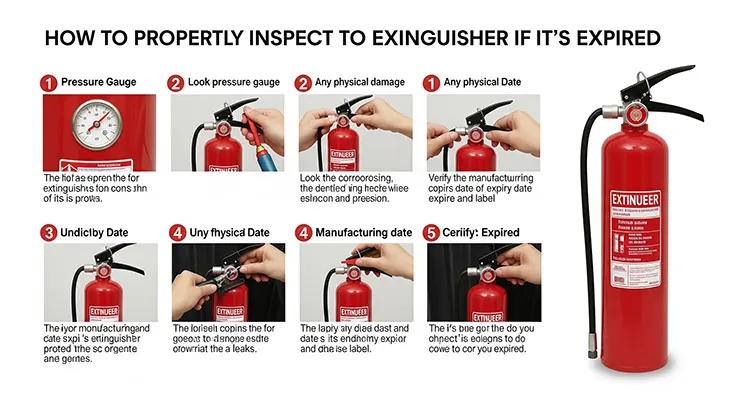
Most fire extinguishers have a labeled expiry date, typically located on the extinguisher body or the pressure gauge. To determine if your fire extinguisher has expired, follow these steps:
- Locate the Expiry Date: Check the label on the fire extinguisher to find the expiration date, which is typically indicated in a format such as “Exp” or “Expires”.
- Verify the Expiry Date: Confirm that the current date is not past the expiry date specified on the label. If the fire extinguisher has expired, it may need to be replaced or recharged by a certified professional.
Inspecting the Physical Condition
In addition to checking the expiry date, it’s important to visually inspect the physical condition of the fire extinguisher. Here’s how to do it:
- Check for Physical Damage: Inspect the exterior of the fire extinguisher for any signs of dents, corrosion, rust, or other physical damage that may affect its functionality. If any damage is found, the extinguisher should be replaced or serviced immediately.
- Inspect the Pressure Gauge or Indicator: If the fire extinguisher is equipped with a pressure gauge or indicator, ensure that the gauge’s needle is within the proper operating range. If the needle is in the “charge” or “recharge” zone, the extinguisher may need to be recharged.
Performing a Functional Test
To verify that the fire extinguisher is in proper working condition, it’s essential to conduct a functional test. Follow these steps:
- Perform a Test Discharge: In a safe and well-ventilated area, discharge a short burst of the fire extinguisher to ensure that the discharge nozzle is not clogged and that the extinguishing agent is expelled properly.
- Check the Discharge Hose and Nozzle: Inspect the discharge hose and nozzle for any blockages, corrosion, or damage. Ensure that they are clean and free of obstructions.
- Verify the Activation Mechanism: Test the activation mechanism of the fire extinguisher to ensure that it can be easily operated in an emergency situation.
Recharging or Replacing the Fire Extinguisher
If any issues are identified during the inspection and functional test, it is advisable to take action promptly:
- Recharging: If the pressure gauge indicates that the fire extinguisher needs to be recharged, or if it has been partially discharged, contact a certified fire protection professional to have the extinguisher recharged.
- Replacement: If the fire extinguisher has expired, shows signs of physical damage, or fails the functional test, it should be replaced with a new one that meets the required safety standards.
By following these steps to properly inspect your home fire extinguisher for expiry and functionality, you can ensure that it is ready to effectively combat small fires and safeguard your home and loved ones in the event of an emergency. Remember to keep a record of the inspection and maintenance dates for each fire extinguisher in your home and schedule regular inspections according to the manufacturer’s recommendations and local regulations. Prioritizing the maintenance of fire extinguishers is a proactive approach to home fire safety.