When severe winter weather strikes, winter storms and sudden grid failures can plunge your home into frigid darkness within seconds. Preparing your household for freezing temperatures requires a smart, proactive strategy that keeps your indoor spaces safe, warm, and fully operational. From sealing dangerous draft points to investing in whole house generators during outages, having a dependable power and heating plan turns a chaotic emergency into a minor inconvenience. Discover how expert insulation techniques, essential safety protocols, and modern standby electrical upgrades work together to protect your plumbing infrastructure, safeguard your loved ones, and keep your primary home systems running smoothly.
1. Preparing Your Home’s Thermal Envelope
Preventing rapid heat loss is your first line of defense during a cold-weather electrical blackout. Buildings lose thermal energy quickly through uninsulated gaps, windows, and exterior doorways.
By sealing draft points before freezing temperatures arrive, you dramatically extend how long your indoor living space remains comfortable without active heating:
- Apply Weatherstripping: Seal exterior doors and window frames using high-density foam tape or flexible silicone seals to prevent chilly drafts from entering living quarters.
- Insulate Attic Access Points: Cover hatch doors and pull-down stairwells with insulated covers to block rising heat from escaping into unheated attic spaces.
- Install Thermal Curtains: Hang thick, insulated window drapes or use temporary plastic window insulation kits to trap radiant warmth inside your living area.
2. Choosing Dependable Backup Power Systems
When primary power lines fail during a winter ice storm, having a seamless backup energy source preserves both comfort and structural safety. Relying on whole house generators during outages ensures your heating equipment, refrigeration, lighting, and medical devices operate without interruption.
Standby Generators vs. Portable Units
Permanently installed standby generators connect directly to your home’s electrical panel through an automatic transfer switch. The moment utility power drops, the system turns on automatically within seconds to fuel essential circuits. Portable generators require manual setup, fuel handling, extension cords, and outdoors-only placement to operate safely.
Professional Load Sizing and Electrical Integration
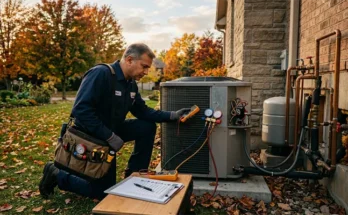
Sizing a backup system depends on your electrical requirements, heating setup, and primary appliances. Licensed technicians conduct thorough load calculations to install systems that handle high startup wattages for heating systems without overloading circuits or causing voltage drops.
3. Protecting Plumbing Systems from Freezing
Sub-freezing temperatures during a blackout pose a major risk to residential plumbing pipes. Water expands as it freezes, which causes uninsulated lines to burst and flood interior spaces once temperatures rise.
Take these essential preventive measures to shield vulnerable water lines:
- Drip Faucets Consistently: Allow a slight trickle of water to flow from sinks served by exterior wall piping, keeping water moving to relieve internal pressure.
- Insulate Exposed Piping: Wrap foam pipe sleeves or heat tape around water lines running through unheated basements, crawlspaces, and exterior garages.
- Open Cabinet Doors: Keep kitchen and bathroom vanity doors open so warm ambient indoor air circulates around hidden sink plumbing.
4. Safe Indoor Heating Protocols
Attempting to warm interior rooms during an extended blackout requires strict safety discipline. Improper use of temporary heating appliances introduces severe fire risks and carbon monoxide hazards.
Important safety guidelines for temporary heating include:
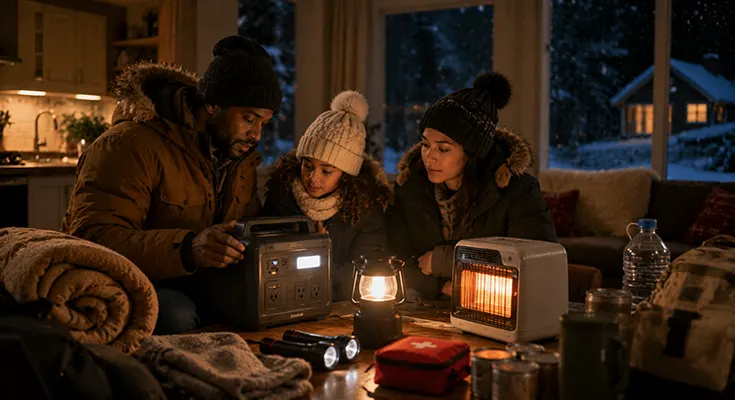
- Never Use Outdoor Equipment Indoors: Gasoline generators, charcoal grills, propane camp stoves, and open flame units must strictly remain outdoors to prevent fatal carbon monoxide accumulation.
- Maintain Clearance Around Space Heaters: Position battery-operated or rated indoor propane heaters at least three feet away from furniture, bedding, and paper materials.
- Test Monitoring Equipment: Ensure carbon monoxide detectors and smoke alarms are fitted with fresh backup batteries prior to severe winter weather events.
5. Upgrading Electrical Panels and Surge Defense
Winter blackouts often conclude with powerful electrical surges when grid power is restored. Protecting your electronic equipment and heating controls requires advanced panel defense.
Whole-Home Surge Protection
Integrating heavy-duty surge suppression directly at your main breaker panel blocks voltage spikes from destroying sensitive HVAC control boards, modern appliances, and personal electronics.
Dedicated Circuit Enhancements
Installing dedicated electrical circuits for heavy-draw appliances prevents system overloads when switching between utility power and backup power sources, protecting your overall system longevity.
6. Maintaining Long-Term Electrical System Readiness
A backup power solution is only as reliable as the maintenance supporting it. Regular inspection routines guarantee equipment starts instantly when cold-weather emergencies occur.
Essential routine steps for maximum system readiness include:
- Schedule Annual Inspections: Have certified electricians inspect transfer switches, perform oil and filter changes, test battery connections, and check fuel delivery lines.
- Exercise Systems Periodically: Modern standby units perform automatic weekly self-tests to keep internal engine components lubricated and verify operational readiness.
- Keep Electrical Components Clear: Clear snow, ice, leaves, and outdoor debris from around exterior generator enclosures to maintain proper intake airflow and ventilation.
Wrapping Up
Protecting your household during severe winter blackouts requires careful planning, proper thermal management, and reliable electrical infrastructure. By sealing thermal leaks, shielding water pipes from frost, and following strict indoor safety standards, you can maintain a comfortable living space even in harsh conditions. Installing whole house generators during outages provides the ultimate layer of protection, keeping your heating equipment online and your home powered automatically. Working with certified electrical professionals ensures your equipment is safely integrated, correctly sized, and fully prepared for unexpected grid failures. Take proactive steps today to secure your home’s energy needs, protect your plumbing investments, and keep your family warm and safe through any winter storm.